Where heritage, connectivity and modern city living come together
Newmarket is one of Auckland’s most dynamic urban neighbourhoods – a place where lifestyle, convenience and culture meet at the crossroads of the city. Today it stands as a premium retail, commercial and residential destination, but its story stretches back more than 150 years. From early Māori pathways to thriving markets, from rail-era growth to its modern reinvention as a fashion and business hub, Newmarket has continually evolved while holding onto the character and charm that make it such a sought-after place to live.
For buyers considering a home in this iconic suburb, understanding Newmarket’s history offers insight into why it continues to attract those who value city-fringe convenience, established neighbourhoods and a strong sense of identity.

Early History: Te Tī Tūtahi – A Place of Pathways and Significance
Long before Newmarket became one of Auckland’s premier urban neighbourhoods, the area held deep cultural and strategic importance for Māori. Known as Te Tī Tūtahi, meaning “the Sacred Cabbage Tree,” this part of the isthmus sat on one of the most vital overland routes between the Waitematā and Manukau harbours. A gently rising ridge and accessible terrain made it a natural pathway used extensively by generations of Māori moving through the region. For iwi including Waiohua, Ngāti Whātua, Ngāti Pāoa, Ngāti Awa, and at times Ngāpuhi, the area functioned as a key corridor for travel, trade and communication across Tāmaki Makaurau.
Te Tī Tūtahi: The Sacred Cabbage Tree
Standing at what is now the intersection of Mortimer Pass and Broadway, the tī kōuka known as Te Tī Tūtahi served as a prominent landmark and navigational marker for those travelling the isthmus. It was so distinctive and culturally important that the wider area itself took its name from the tree.
The legacy of Te Tī Tūtahi continues today. When the original tree was felled, noted Auckland businessman Alfred Buckland salvaged part of it and propagated new cabbage trees, replanting them throughout Newmarket and even as far as Bucklands Beach. Some of the tī kōuka seen around the suburb today are descendants of this culturally significant original tree, providing a living link to the area’s earliest history.

The Birth of “Newmarket”
The name “Newmarket” began to appear in the 1850s, reflecting the area’s growing role as a gathering place for commerce. Livestock markets, nurseries and agricultural shows all found a home here, taking advantage of the open land and proximity to Auckland’s early road network.
What set Newmarket apart from neighbouring suburbs was its early identity as a place of trade rather than a purely residential enclave. Farmers and growers came from across the region, giving the area a practical, energetic character that would continue through the decades.
Highwic House: A Landmark of Early Settlement
Amid this early expansion, one of Auckland’s most significant heritage homes was built: Highwic, constructed in 1862. Set just moments from today’s bustling Broadway, Highwic is an exceptional example of Carpenter Gothic architecture and a tangible link to Newmarket’s earliest European residents.
While most surrounding homes date from the late-19th and early-20th centuries, Highwic remains the suburb’s major historic landmark.

A Railway Junction That Transformed a Suburb
If early markets put Newmarket on the map, the arrival of the railway cemented its importance. Newmarket Station opened in 1873 and quickly became one of Auckland’s busiest junctions, connecting lines heading south, west and north toward the city centre.
Workshops, goods yards and supporting industries grew around the station, turning Newmarket into a hub of movement and opportunity. Shops, hotels and services developed along Broadway to meet the needs of travellers, workers and local residents.
Even today, the suburb’s compact, walkable layout reflects the patterns set during this rail-driven era. The station’s prominent position continues to anchor Newmarket as a major transport interchange – now modernised and connected to Auckland’s expanded rail network.
Newmarket’s rail station has been rebuilt and modernised to serve today’s commuters, acting as one of the city’s most important interchange points. Combined with major bus routes, motorway access and dedicated cycle connections, Newmarket offers unbeatable connectivity.
For residents, this means effortless movement around Auckland — whether commuting to the CBD, visiting university campuses, or connecting with link routes across the isthmus.

A Growing Borough With a Village Heart
By the late 19th century, Newmarket had matured into its own borough, complete with local governance, community facilities and a distinctive village-like main street. Broadway developed into the commercial spine of the suburb, lined with shopfronts, small traders, grocers, tailors, cafés and service businesses.
Many of the buildings from this early commercial era have evolved or been redeveloped, but the sense of a concentrated, energetic local centre has remained at the heart of Newmarket’s character.
Interwar Growth and Civic Pride
The early 20th century saw steady suburban growth. Villas and bungalows filled surrounding streets, creating the underlying residential fabric that still supports Newmarket today. The suburb’s War Memorial, unveiled in 1924, provided a focal point for civic gatherings and reflected a tight-knit community proud of its identity and contribution to the wider city.
During these decades, Newmarket was neither purely industrial nor simply residential – it occupied a unique in-between space as a lively, connected urban centre.

Mid-Century Transition: Roads, Motor Vehicles and Change
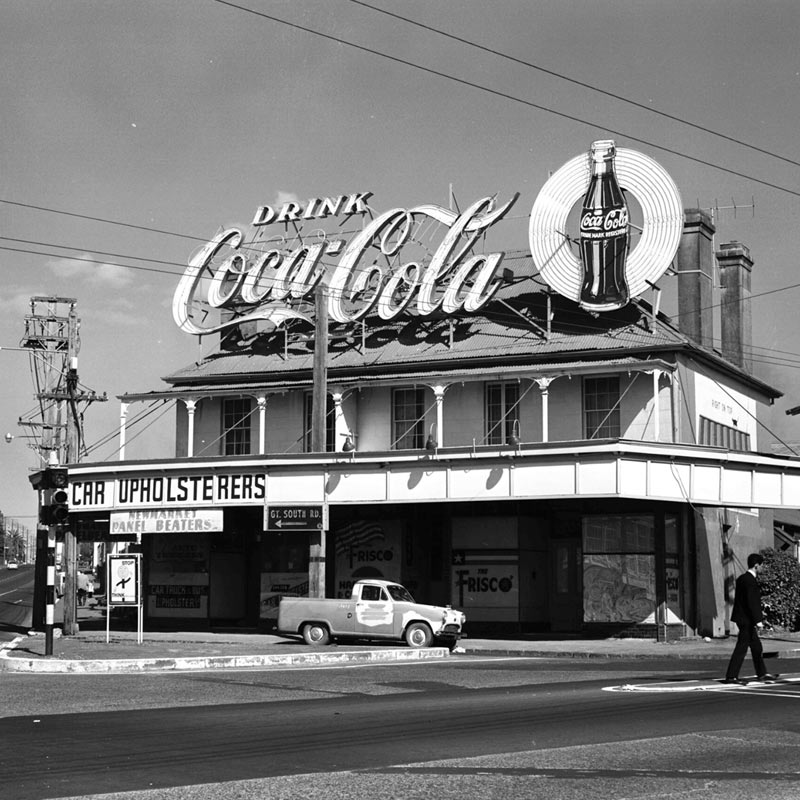
After the Second World War, Auckland underwent major transformation as the motorcar reshaped how people moved through the city. The development of the southern motorway corridor created new patterns of travel and accessibility.
Some traditional industries gradually relocated, but Newmarket’s strategic location ensured its continued relevance. Close to the CBD, bordering affluent residential suburbs and anchored by strong transport links, Newmarket remained an essential commercial and employment centre.

The Rise of Modern Newmarket
From the late 20th century onwards, Newmarket experienced a powerful wave of reinvention. As Auckland grew, the suburb’s unmatched centrality made it a prime location for retail investment, office development and improved public infrastructure.
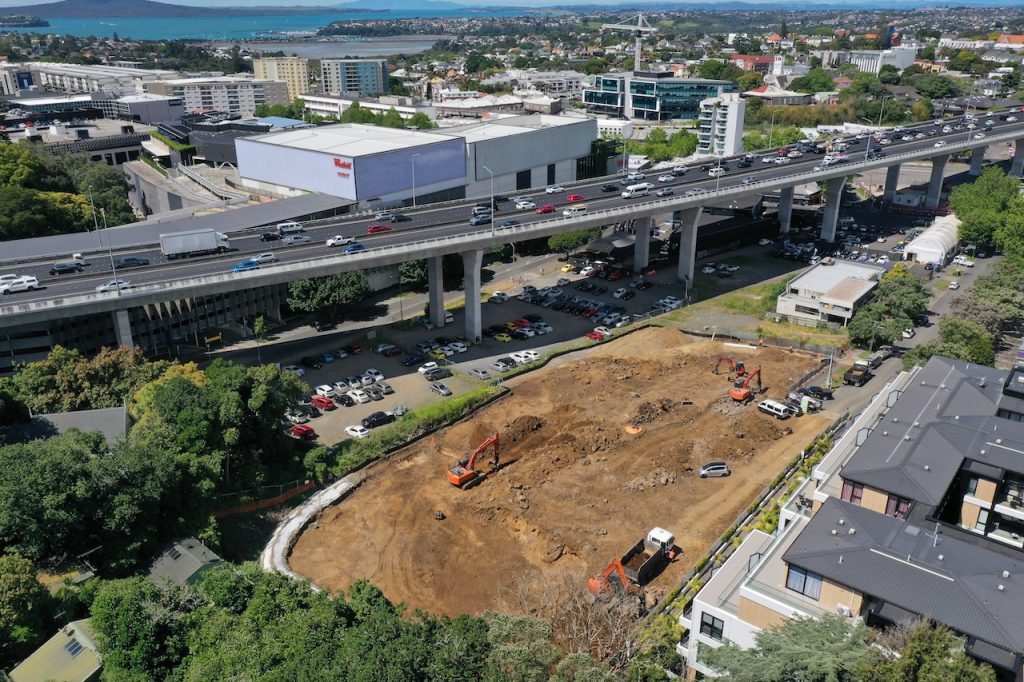
The completion and later redevelopment of Westfield Newmarket transformed the area into the country’s premier fashion and lifestyle destination. High-end retail, dining, entertainment and international brands helped shape Newmarket as Auckland’s go-to shopping district.
Commercial office developments attracted businesses seeking a city-fringe address with excellent access. Streetscape upgrades, residential intensification and better transport infrastructure drew in new residents who wanted to live close to work, culture and amenities.
This period of revitalisation restored Newmarket’s long-standing appeal as a vibrant, forward-looking neighbourhood.
- Māori traders taking pigs to Auckland. Drawing by Albert Barracks, 1849. Image: Auckland Libraries Heritage Collections.
- Electric tram on Broadway, Newmarket, Auckland, circa 1920
- Newmarket train station was one of the earliest in Auckland’s rail history (pictured here in the 1940s),Auckland Libraries Heritage Collections 1334-7-27
- Newmarket Viaduct under construction Auckland Libraries Heritage Collections 1714-R001-15
- Shops on Broadway, Newmarket, 1990 Auckland Libraries Heritage Collections 273-MAT047-04